
How Safe is Your Drinking Water?
Municipalities are responsible for treating water before it is delivered to consumers as tap water. The treatment process often begins

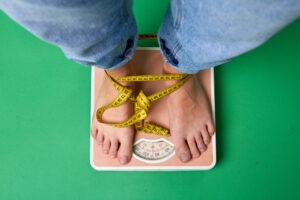
There is a hormone that acts as a helper for regulating appetite, digestion, and blood sugar level. It is called GLP-1, which stands for glucagon-like peptide-1. It is a naturally occurring hormone that the intestines release after eating.
GLP-1 is a signaling hormone.
There is also some evidence to suggest that GLP-1 has cardioprotective qualities including improvements in blood pressure and endothelial function (the endothelium is a thin layer of cells that lines the interior surface of blood vessels and the heart).
GLP-1 may also promote pancreatic β-cell proliferation. Pancreatic β-cells are specialized cells that produce and release insulin, a hormone that enables sugar to move from the blood into the cells where it is stored or used for energy. The β-cells operate on a feedback loop system, much like a thermostat. When blood sugar is too high, the “heat” goes on and the pancreatic β-cells produce and secrete insulin. As the cells take in the sugar from the blood, the level of sugar in the blood drops. Once blood sugar levels are in a normal range, the “heat” turns off. This thermostat-like function is of great importance in maintaining blood sugar levels in a normal range.
GLP-1 has a very short half-life. An enzyme called DPP-4 (dipeptidyl peptidase-4) breaks GLP-1 down very quickly, usually in one to two minutes. Because of this, most of the GLP-1 that the body makes never reaches the pancreas, stomach, or brain at full strength.
The studies linked below suggest there are foods and natural substances that can enhance the effect of GLP-1 by boosting the body’s release of GLP-1 and/or slowing down its breakdown by inhibiting the action of DPP-4.
The following list of foods, natural compounds, and probiotics that may support natural GLP-1 function is for general information only and is not intended to diagnose, constitute medical assessment, recommendations, treatment, or advice. Before making any decisions regarding your health care, we strongly recommend you consult with a qualified health care practitioner for a full assessment of your needs.
Some commercially available probiotic strains may support the production of GLP-1 by triggering the gut microbiota to increase the production of SCFAs (short chain fatty acids) which can stimulate L-cells. L-cells are “sensor cells” in the lining of the intestines. They have tiny “fingers” that detect nutrients and create signal hormones including GLP-1.
Probiotic strains that may increase GLP-1 stimulation include:
The effectiveness of these strains of probiotics can be enhanced when paired with a diet rich in prebiotic fibres. Prebiotic fibre foods are non-digestible carbohydrates such as garlic, onions, leeks, asparagus, oats, bananas, barley, and flaxseeds. These prebiotic fibres may be especially helpful when eaten raw. They can, among other benefits, help to improve digestive health, boost immunity, and increase SCFAs (short chain fatty acids).
There are pharmaceutical compounds, generically known as “semaglutides”, that mimic the action of the natural GLP-1.
They were originally released in 2017 for diabetes to improve insulin secretion and regulate blood sugar levels. Semaglutides can be useful for treating diabetes on a short-term basis for stabilizing insulin function and blood sugar levels. They give the diabetic patient some “breathing room” to rebuild metabolic health, to address the underlying cause of the diabetes, which is most often diet and lifestyle choices. These drugs were intended to be used as a temporary support to give the diabetic patient time to improve their condition with a healthy diet, exercise, and moderation or elimination of tobacco and alcohol consumption.
Semaglutides took an unfortunate turn in 2021 when they became heavily promoted in a direct-to-consumer marketing campaign as a weight-loss drug. Health Canada keeps statistics of drugs prescribed for use in the control of diabetes, but not for “off-label” weight loss use. However, the marketing campaign of semaglutides for weight loss has undoubtedly resulted in a significant increase in the number of Canadians using these drugs to lose weight. Some newspaper reports indicate that the volume of semaglutides being consumed for weight loss has endangered supply of the drug for its original anti-diabetes purpose.
Semaglutides are not a “miracle” weight loss drug that can be successfully and sustainably used in isolation, no matter what the ads or celebrity endorsements suggest. Magic weight loss with a pill or an injection is pure fantasy. Semaglutides for weight loss carry the same requirements as semaglutides for diabetes. Any weight loss realized with the use of semaglutides is not sustainable without a healthy diet, exercise, and correction of unhealthy habits.
The GLP-1 mimicking drugs were never intended as an “easy fix” or as a pharmaceutical replacement for a wholesome diet, exercise, and healthy lifestyle choices, nor do they work that way.
There are some immediate issues with semaglutides for weight loss.
A 2024 study determined that roughly 25% of the total weight loss with semaglutides is lean body mass loss. That figure may be understated. A different 2024 study puts the lean body mass loss at 25 to 39% of the total weight loss over 36-72 weeks.
That degree of loss of lean body mass could significantly undermine metabolic health (how the body produces and uses energy) and could increase the risk of serious health conditions including cardiovascular disease, stroke, insulin resistance (also called prediabetes) and diabetes. Losing lean body mass can also reduce bone strength leading to osteoporosis, and can impair hematopoietic health (the body’s ability to produce healthy new blood cells in bone marrow, vitally needed to create blood and immune cells).
An important risk of losing that much lean body mass is sarcopenic obesity. Sarcopenia is a loss of muscle mass and muscle function. Obesity is an excess of body fat. Sarcopenic obesity is a condition where someone has lost muscle mass and as a result, the proportion of fat to muscle is now so high that they’re actually obese, despite looking thin. This condition is sometimes referred to as “TOFI”, meaning “thin outside, fat inside”.
Rapid weight loss can also result in unwanted changes in personal appearance such as sagging skin, wrinkles, hollow cheeks, sunken eyes.
It may be tempting to take what might seem to be the “easy” route to weight loss, but the weight loss can occur at a heavy cost to health and wellbeing. The scales may say there has been weight loss, but the research shows that a hefty chunk of that weight loss is lean body mass rather than fat.
The loss of lean body mass makes someone unhealthier than they were before, so much so that they would have been much better off not having lost any weight.
“Easy weight loss” with a pill or an injection is a marketing invention, a fiction not grounded in reality. You cannot expect sustainable weight loss in the absence of a wholesome diet, exercise, and the elimination or at least moderation of unhealthy habits.
In the real world, safe and sustainable weight loss actually means fat loss, not weight loss.
With a customized program of nutrition and exercise based on test results and your unique needs, you can not only shed unwanted fat but also improve your overall health.
Green Apple Health Care practices Cause Based Medicine® which is the systematic process of finding and treating the core cause of health concerns by using a classic naturopathic approach combined with scientific research to optimize patient outcomes.
Our focus is cause-based. We are relentless in identifying the root cause, the “why” behind the symptoms, and we address our treatment programs to the cause of the health condition, not the symptoms. Call us at (780) 485-9468 to book a consultation. If you prefer, online booking is available for both new patients and repeat patients.

Municipalities are responsible for treating water before it is delivered to consumers as tap water. The treatment process often begins
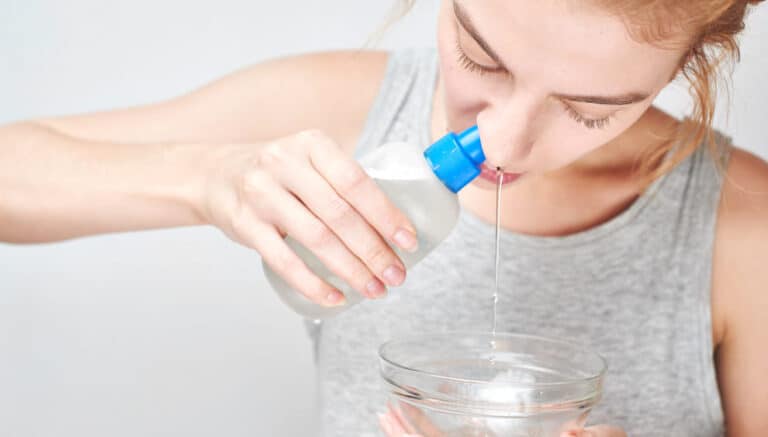
Sinus rinsing, also called nasal irrigation, is easy and safe. Sinuses are interconnected cavities that are linked to the nasal

What is protein, and what does it do? Protein is the building block of much of the tissue in the