
Living in a Toxic World Part 2 – Testing for Toxins
In Part 1 of “Living in a Toxic World – Sources and Symptoms of Toxicity”, we reviewed the common toxins

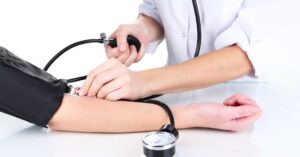 Blood pressure is a measure of the amount of force that blood exerts against artery and blood vessel walls when the heart pumps and when it rests between beats.
There are two readings that are taken when measuring blood pressure. The first is systolic, which measures the pressure inside the arteries when the heart contracts to pump blood to the body. The second is diastolic, which measures the pressure inside the arteries when the heart relaxes and allows the chambers to fill with blood. These measurements are usually expressed as systolic over diastolic.
Systolic blood pressure is the main pressure being exerted when the heart contracts. Diastolic blood pressure measures how well the heart is relaxing between beats.
What is normal blood pressure? That could depend on which medical organization you are referencing and when. What is considered “normal” is subject to change and there can be slight variations among the recognized agencies. The current ranges shown by the following sources are those generally accepted.
Government of Canada Public Health:
Optimal – less than 120 systolic, less than 80 diastolic
Normal – less than 130 systolic, less than 85 diastolic
Normal-high – 130-139 systolic, 85-89 diastolic
American Heart Association:
Normal – less than 120 systolic, less than 80 diastolic
Elevated – 120-129 systolic, less than 80 diastolic
Hypertension stage 1 – 130-139 systolic, 80-89 diastolic
American Heart and Stroke Foundation:
Low risk – 120 systolic, 80 diastolic
Medium risk – 121-134 systolic, 80-84 diastolic
High risk – 135+ systolic, 85+ diastolic
Something to bear in mind is that a blood pressure reading is a “snapshot” of blood pressure at the time it’s measured. Anybody’s blood pressure will vary over the course of the day. Generally, a person’s blood pressure will be lower while they’re sleeping at night, start to rise a few hours before they wake up and continue to rise during the morning. Blood pressure peaks mid-day and starts dropping off again in the late afternoon and evening.
Other things that can affect a blood pressure reading are whether you’ve had caffeinated or alcoholic beverages on a regular basis, whether you talk during the measurement, whether your bladder is full, the position of your elbow during measurement, or whether your legs are crossed.
We don’t want to alarm anyone unnecessarily by defining “normal” as an absolute number or encourage anyone to self-diagnose. Your best bet is to consult a healthcare provider for a diagnosis that takes your blood pressure reading into account as a factor of your overall health.
There are several sources that say that low blood pressure is a good thing, and in some cases it is. If a person is healthy and has no symptoms, a blood pressure reading in the lower end of the normal range likely isn’t a problem. Having a higher blood pressure reading isn’t necessarily a problem either as long as it’s still in the normal range.
It isn’t important to have a specific number in systolic or diastolic blood pressure readings. What is important is to have blood pressure consistently within the normal range because having blood pressure that is either too low or too high could be a problem.
Rather than shoot for an exact number, the goal should be to have your blood pressure in the normal range.
Low blood pressure may be diagnosed if your resting blood pressure is consistently below the normal range or if your systolic blood pressure drops 20 mmHg or more and your diastolic blood pressure drops 10 mmHg or more within three minutes of standing up from a sitting position.
If blood pressure is too low, the blood is being pumped with insufficient force to get it, and therefore oxygen, to all parts of the body. When that happens, the heart, the brain, and other vital organs can be deprived of the oxygen and nutrients they need to perform.
Although there are not always visible symptoms of low blood pressure, some of the common ones are low energy, fatigue, weakness. One serious consequence of low blood pressure, particularly in the elderly, can be fainting and injury in the subsequent fall.
Some causes of low blood pressure are dehydration, low adrenal function, blood loss from a major injury or internal bleeding, and some medications.
Low blood pressure can be a condition by itself or it could indicate an underlying medical condition such as a blood sugar disorder, severe infection, severe allergic reaction, a lack of specific nutrients such as vitamin B-12, folate, or iron.
When blood pressure is consistently above the normal range, it is considered to be high blood pressure. High blood pressure is also called hypertension.
Hypertension means that there is a great deal of force being used to move blood and that the artery and/or veins may be constricted. This excessive force can damage and weaken the arteries. Blood pressure that is too high can also cause a vessel to rupture. When a blood vessel ruptures, it is often in the brain, but ruptures can also occur in the heart, the abdomen, or anywhere else in the body. Blood pressure that is too high could dislodge a piece of plaque from a hardened artery, leading to stroke or heart attack.
Over time, damaged arteries have trouble supplying blood to the heart, so the heart is forced to work harder to pump blood back to the body. The strain from constant overwork can cause the heart to enlarge. An enlarged heart will eventually weaken. It will be unable to fully contract so it cannot fully pump blood from the heart to the body. This can cause blood to pool in the chambers of the heart. The pooled blood can create blood clots leading to heart attack or stroke.
Although a genetic predisposition to hypertension or underlying medical conditions such as chronic kidney disease or adrenal or thyroid disorders can play a role in hypertension, there are also lifestyle factors that can have a profound effect on blood pressure levels.
An unbalanced body composition of too much fat and too little muscle, a lack of exercise, stress, diet, smoking, too great an alcohol consumption, or a combination of these factors can lead to hypertension.
Green Apple Health Care practices Cause Based Medicine® which is the systematic process of finding and treating the core cause of health concerns by using a classic naturopathic approach combined with scientific research to optimize patient outcomes.
Our focus is cause-based. We are relentless in identifying the root cause, the “why” behind the symptoms, and we address our treatment programs to the cause of the health condition, not the symptoms.
Call us at (780) 485-9468 to book a consultation. If you prefer, online booking is available for both new patients and repeat patients.

In Part 1 of “Living in a Toxic World – Sources and Symptoms of Toxicity”, we reviewed the common toxins

When you are under stress, your adrenal glands produce certain hormones in response to the stress. One of the hormones they produce during stress is cortisol, a steroid hormone commonly called “the stress hormone”.

Part 1 of “It Might Not be the Wheat – Sensitivity to Yeast” details the immune system response to sensitivity